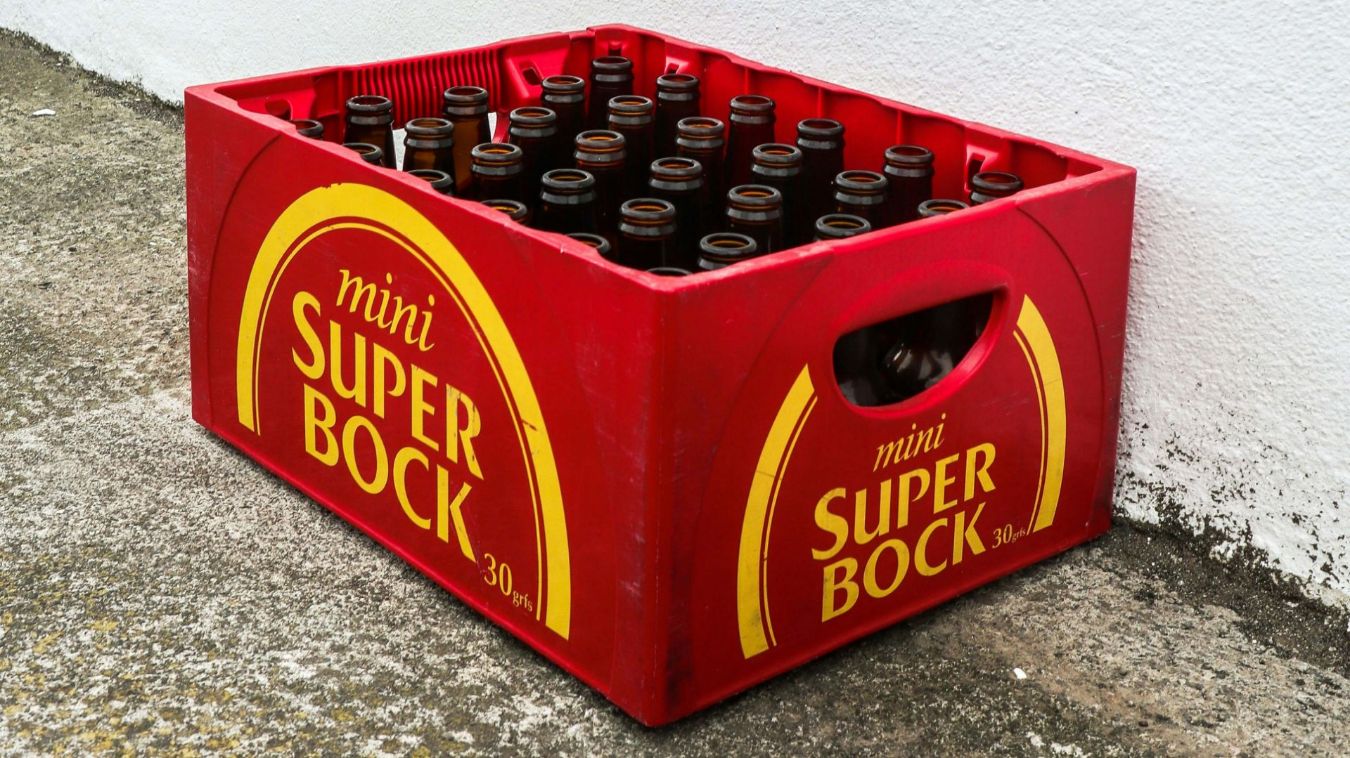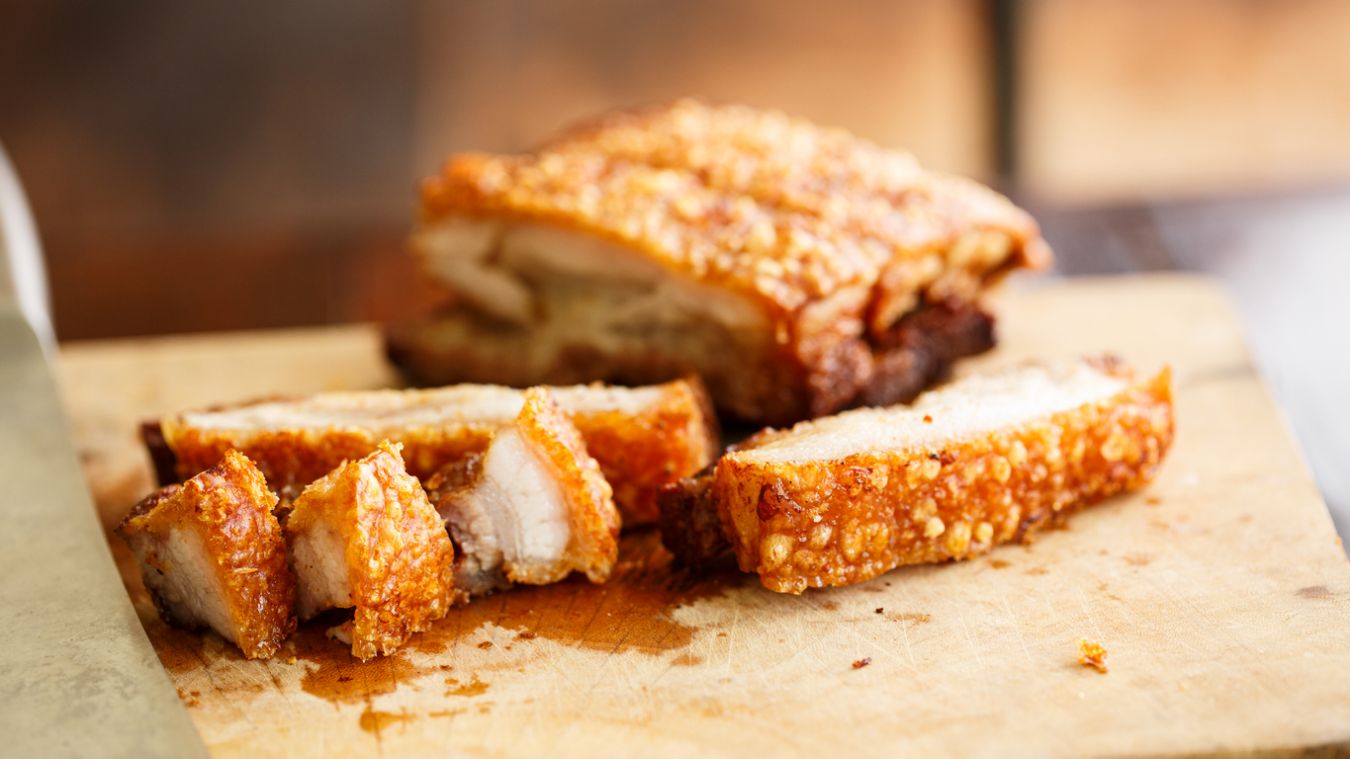
This article introduces leitão assado as a traditional Portuguese roast piglet dish and shows how customers can try it at home in smaller, easier ways without starting with the whole pig.

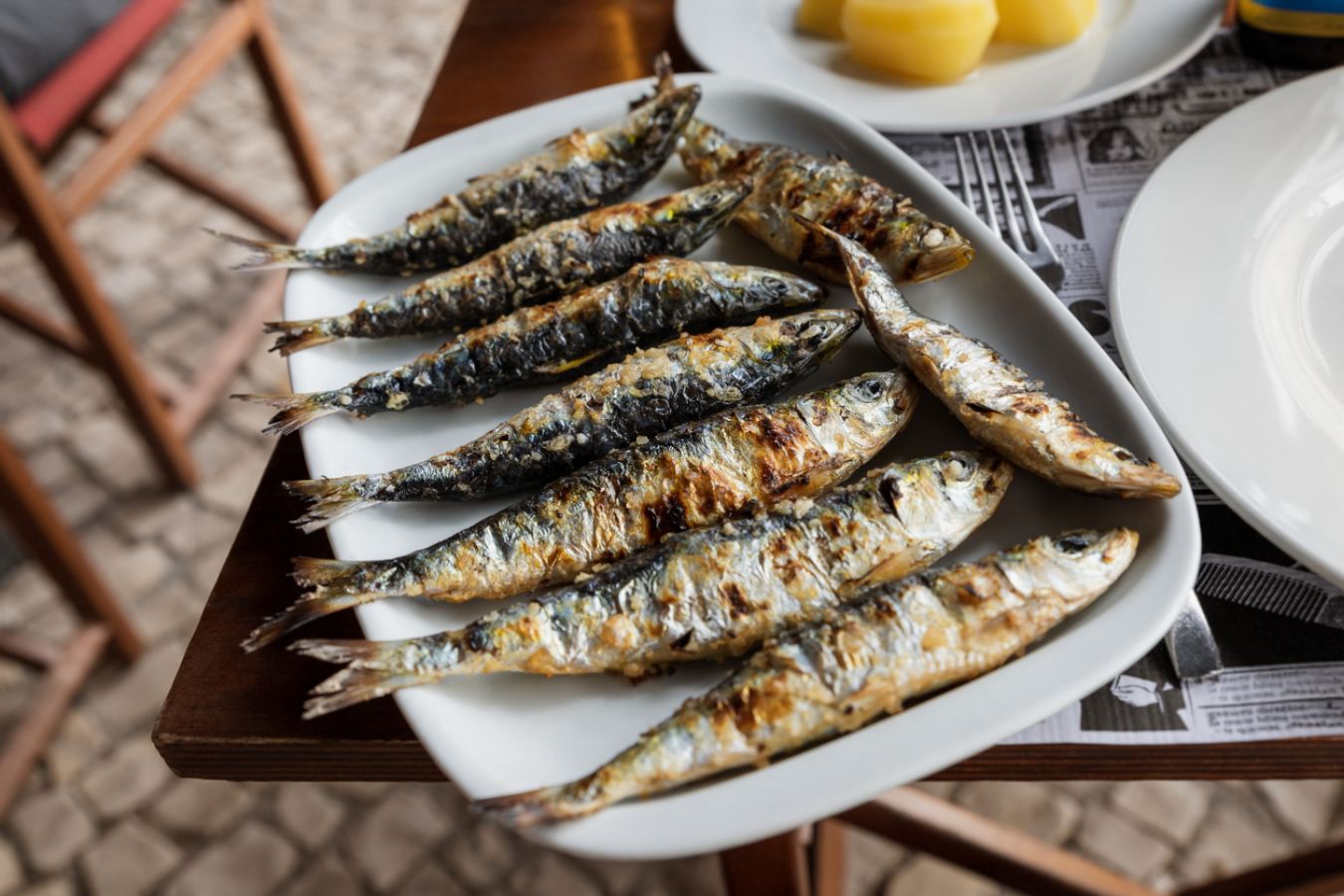
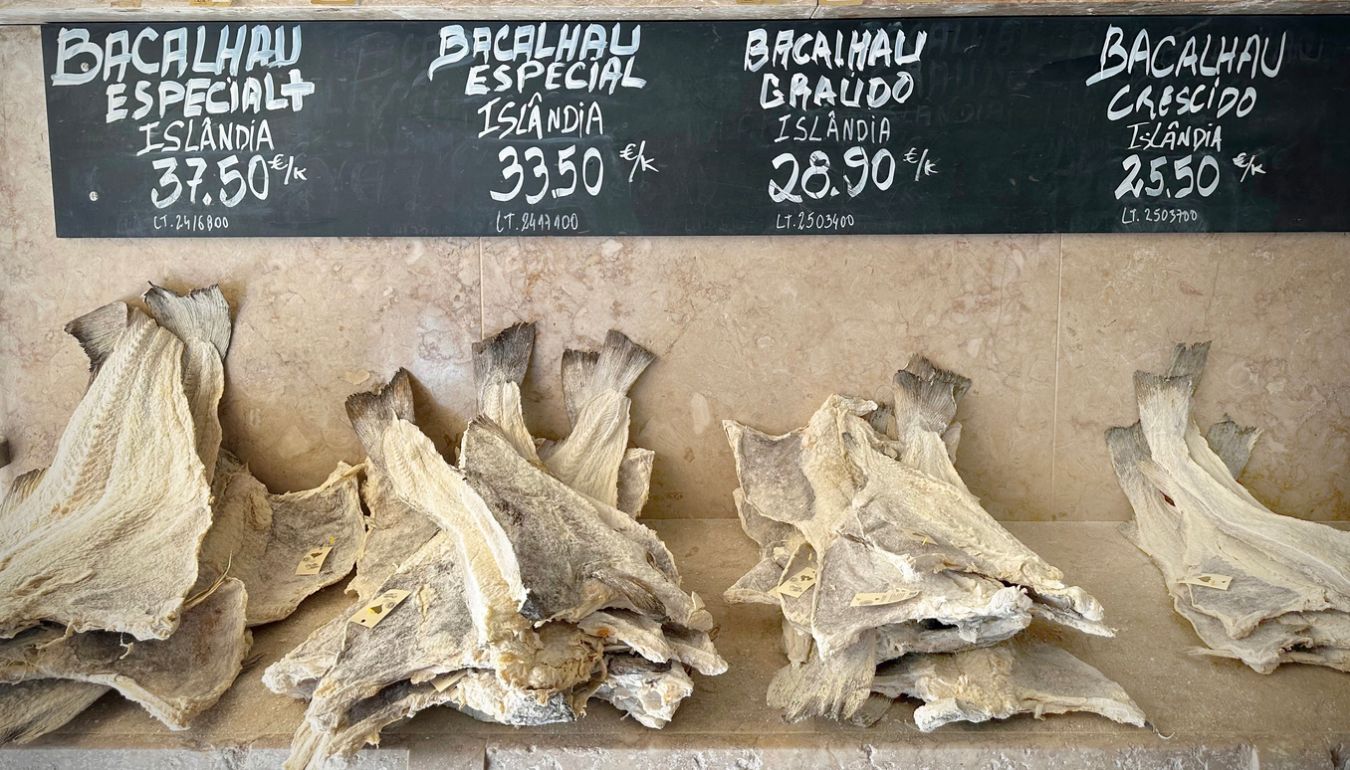
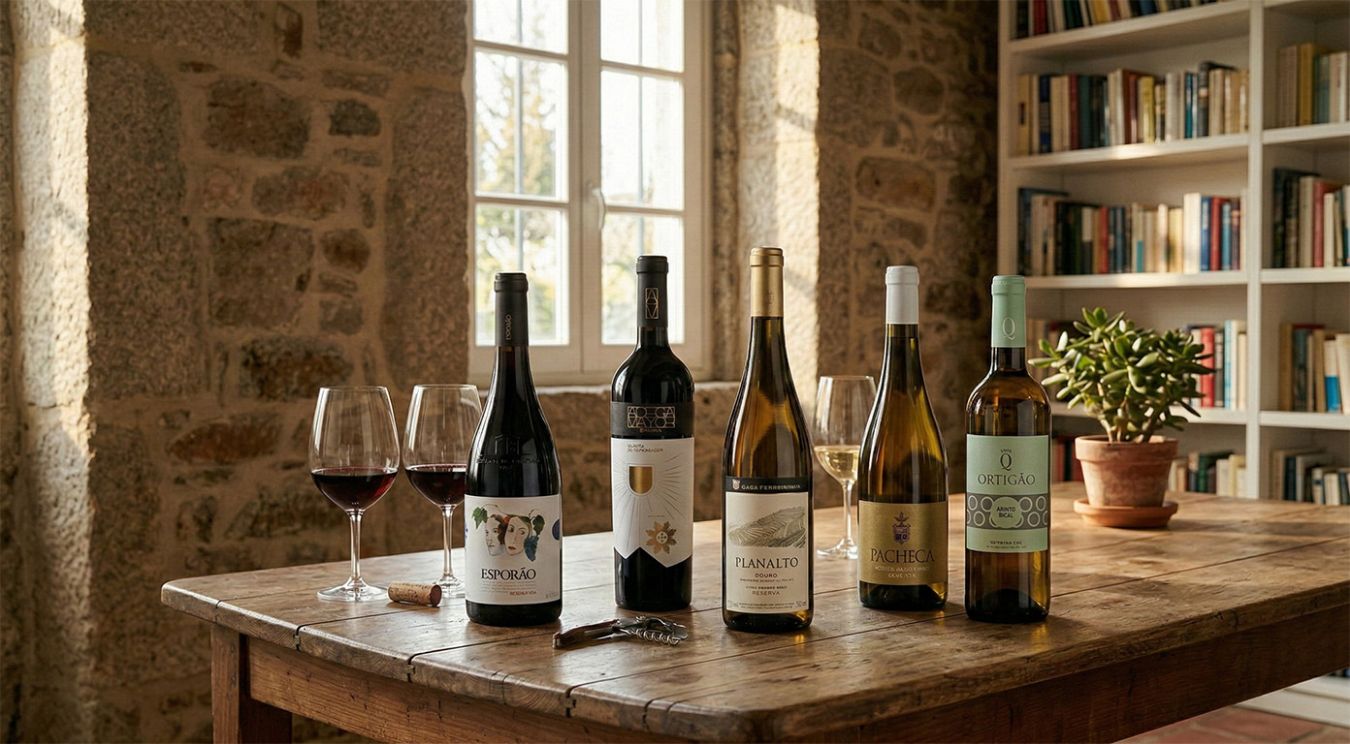
Olá! Luís here again. If you have ever been to a wine tasting or read the back of a bottle, you may have seen words like crisp, full bodied or tannins. Sometimes these words can feel confusing. Wine should be enjoyable, not intimidating.
In Portugal, wine is part of everyday life. We drink it with meals, share it with friends and talk about it in simple ways. Understanding a few key tasting terms can help you feel more confident when choosing a bottle. It also makes discovering new wines more interesting.
Here is a short glossary of common wine tasting words, with examples from our range to help you understand them.
When a wine is described as crisp, it means it feels fresh and lively in the mouth. Crisp wines usually have good acidity, which makes them refreshing and easy to drink. They are often a good choice for starters, seafood or as a welcome drink.
Example:
This white wine is a clear example of crisp. It’s bright, citrusy and makes you want another sip. It works very well with grilled fish, prawns or light salads.
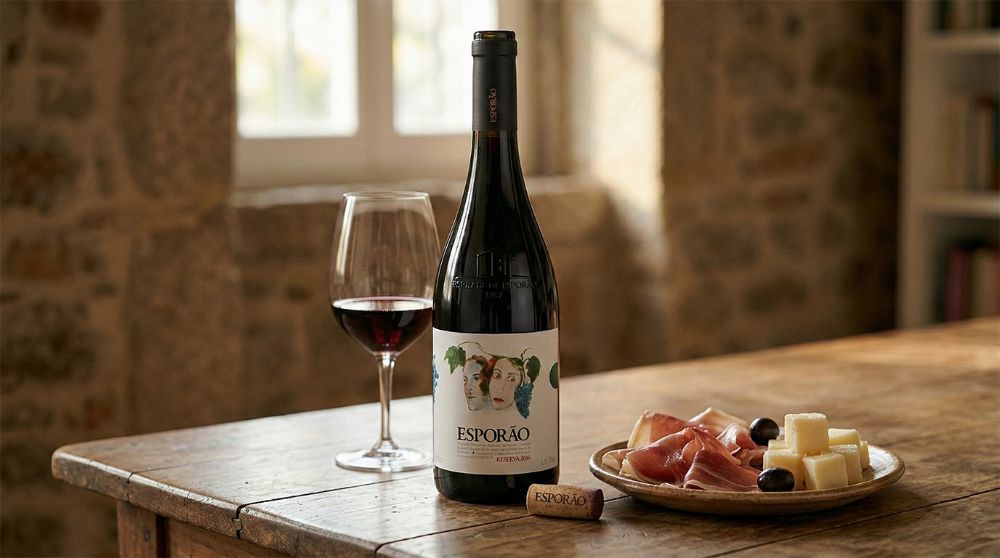
Body refers to how heavy or rich a wine feels in your mouth. A full bodied wine feels round and strong. It often pairs well with red meat or rich dishes.
Example:
This is a weighty red wine. It’s rich and matches well with beef or slow cooked dishes.
A light bodied wine feels softer and less heavy. It is easier to drink and often lower in alcohol. These wines are good for lunch or casual meals.
Example:
Light, fresh and easy to enjoy. It does not feel heavy and is a good choice for warm days or simple meals.
Trying a Vinho Verde alongside a fuller white wine in a discovery pack helps you understand body clearly.
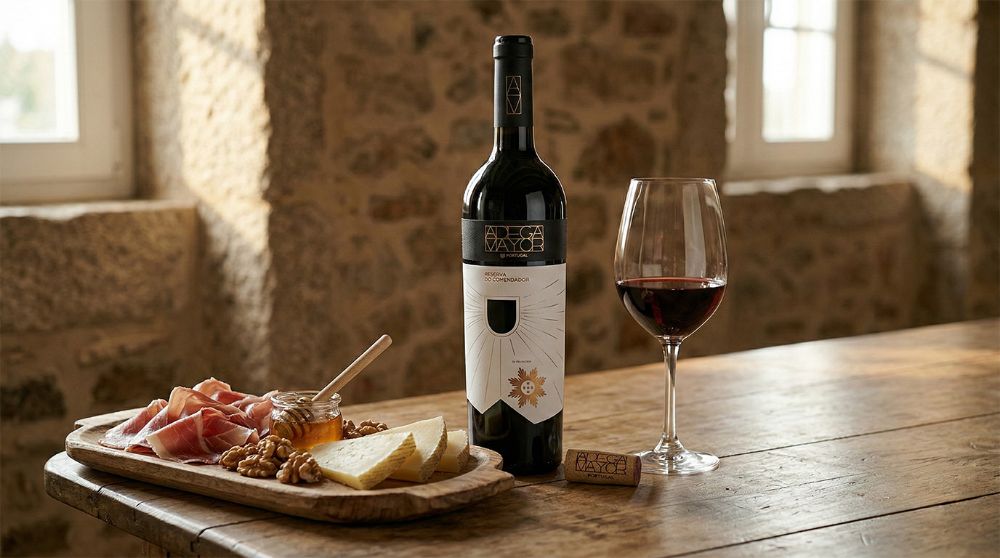
Tannins are found mostly in red wines. They create a dry feeling on your gums, similar to strong tea.
Example:
This wine has noticeable tannins, which makes it good with rich meat dishes.
If you are new to red wine, start with softer tannin, such as a Caiado or Dao Cabriz wines before moving to stronger ones.
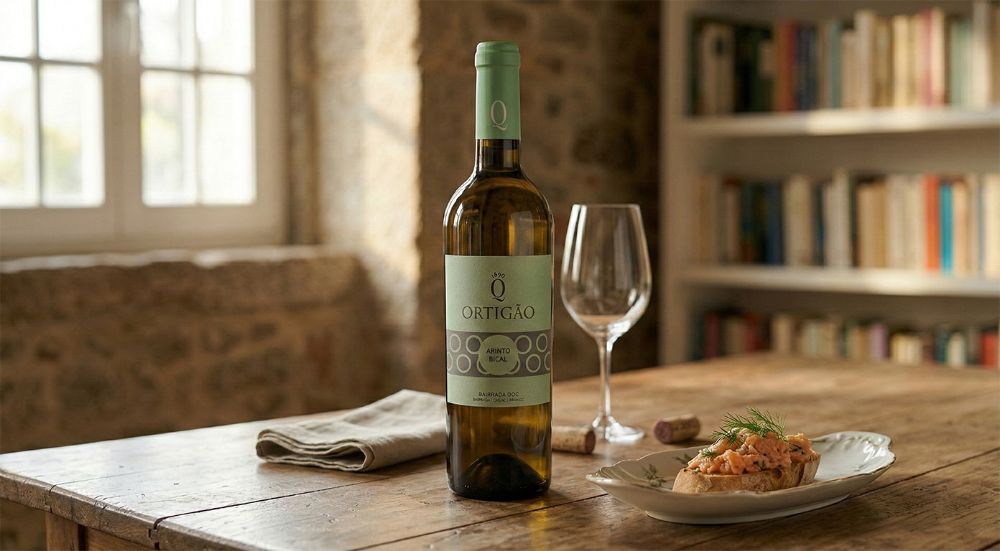
When someone says a wine is fruity, it does not mean it is sweet. It means you can taste flavours that remind you of fruit, such as apple, peach or citrus. Most wines have a fruit as a key flavour and smell, especially when they are young and fresh.
Example:
This white wine has a fruity flavour. It is fresh and easy to drink, making it a good choice for relaxed meals or sharing with friends.
Trying a fruity white like this alongside a more mineral or structured wine in a mixed case helps you notice how fruit flavours can vary between regions and grape varieties.
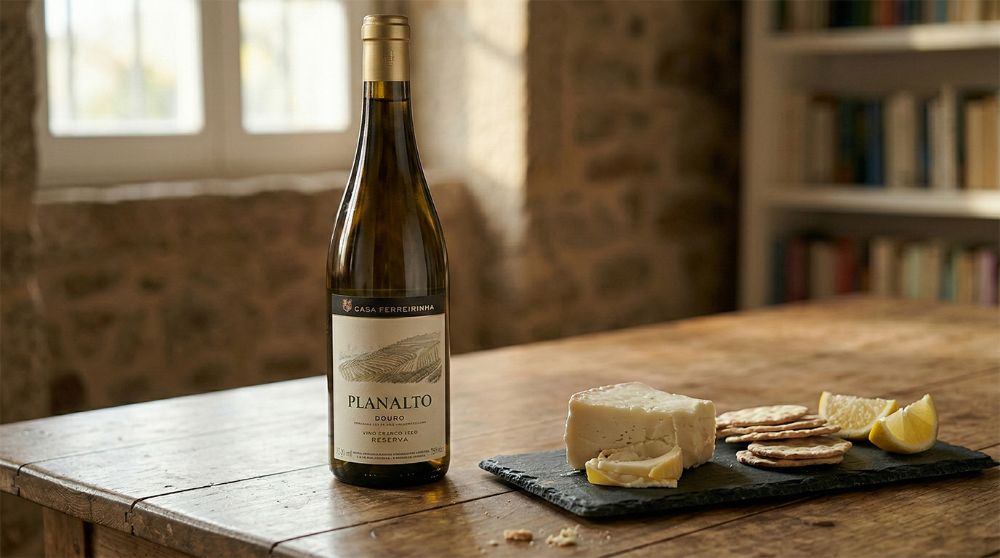
When a wine is described as dry, it means it is not sweet. Most table wines are dry, even if they have fruity flavours. Dry wines often feel clean and refreshing, especially when served chilled.
Example:
This dry white offers bright acidity and soft fruit flavours. It does not taste sweet, which makes it very good with food. It pairs well with fish, grilled vegetables or light pasta dishes.
Understanding what dry means can help you choose wines more confidently, especially when planning meals or building a mixed wine case.
The finish describes how long the flavour stays in your mouth after you swallow the wine. A longer finish often suggests higher quality, but it also depends on personal taste.
Example:
This red wine has a noticeable finish. After you swallow, the flavour remains for several seconds, with tasting notes of dark fruit and gentle spice. It works well with red meat or richer dishes where you want the wine to stay present.
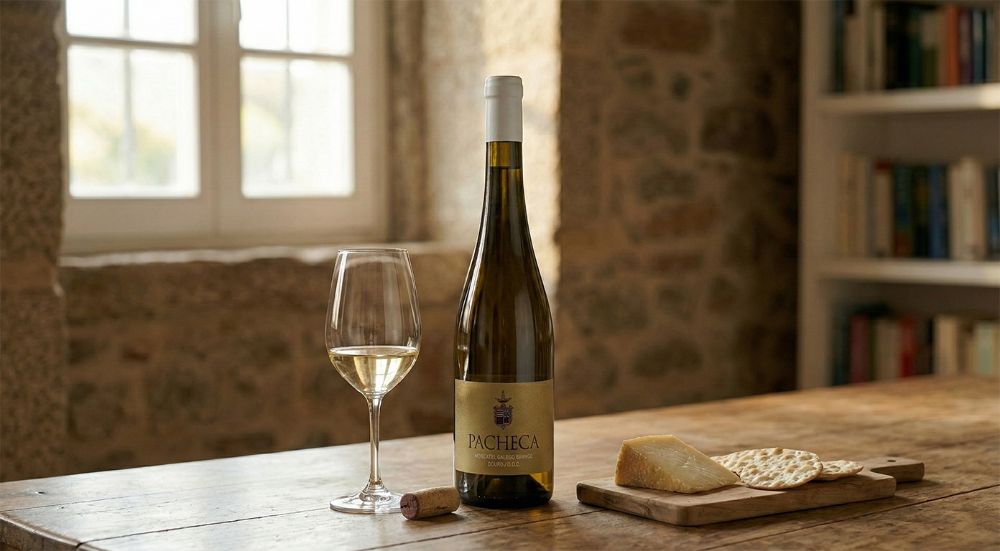
When a wine is described as balanced, it means that all the elements work well together. The fruit, acidity and alcohol feel in harmony. Nothing feels too strong or out of place.
Example:
Pacheca MGalego White ›
This white wine is a good example of balance. It has fresh acidity, hints of gentle fruit and a smooth finish. The flavours sit comfortably together, which makes it easy to enjoy with many different dishes.
Balanced wines are often the easiest to serve at the table, especially when you are cooking for different tastes.
Reading about wine helps, but tasting is the best teacher. A mixed wine bundle allows you to compare:
At Divino, we offer mixed wine cases that make it easy to explore without choosing just one style. These are also great for hosting a small tasting evening at home.
You can invite friends, open a few bottles and talk about what you taste. Keep it simple. Ask questions like:
There are no wrong answers. Wine tasting is personal.
You can find some of the wines mentioned above in our premium wine tasting bundles. They are a great way to compare styles side by side and begin your Portuguese wine journey with confidence.
6 x Premium Portuguese Red Wines ›
6 x Premium Portuguese White Wines ›
6 x Premium Portuguese Wines ›
Learning a few wine terms does not make you an expert overnight. But it helps you feel more comfortable when choosing a bottle for dinner or as a gift.
Portuguese wines are made to be enjoyed, not over analysed. By understanding words like crisp, full bodied or balanced, you can discover what you like and try new styles with confidence.
At Divino, we believe wine discovery should be welcoming. Whether you start with a mixed bundle or select a few individual bottles, we are here to help you explore.
Browse our wine selection and discovery bundles at www.divino.je
Saúde!
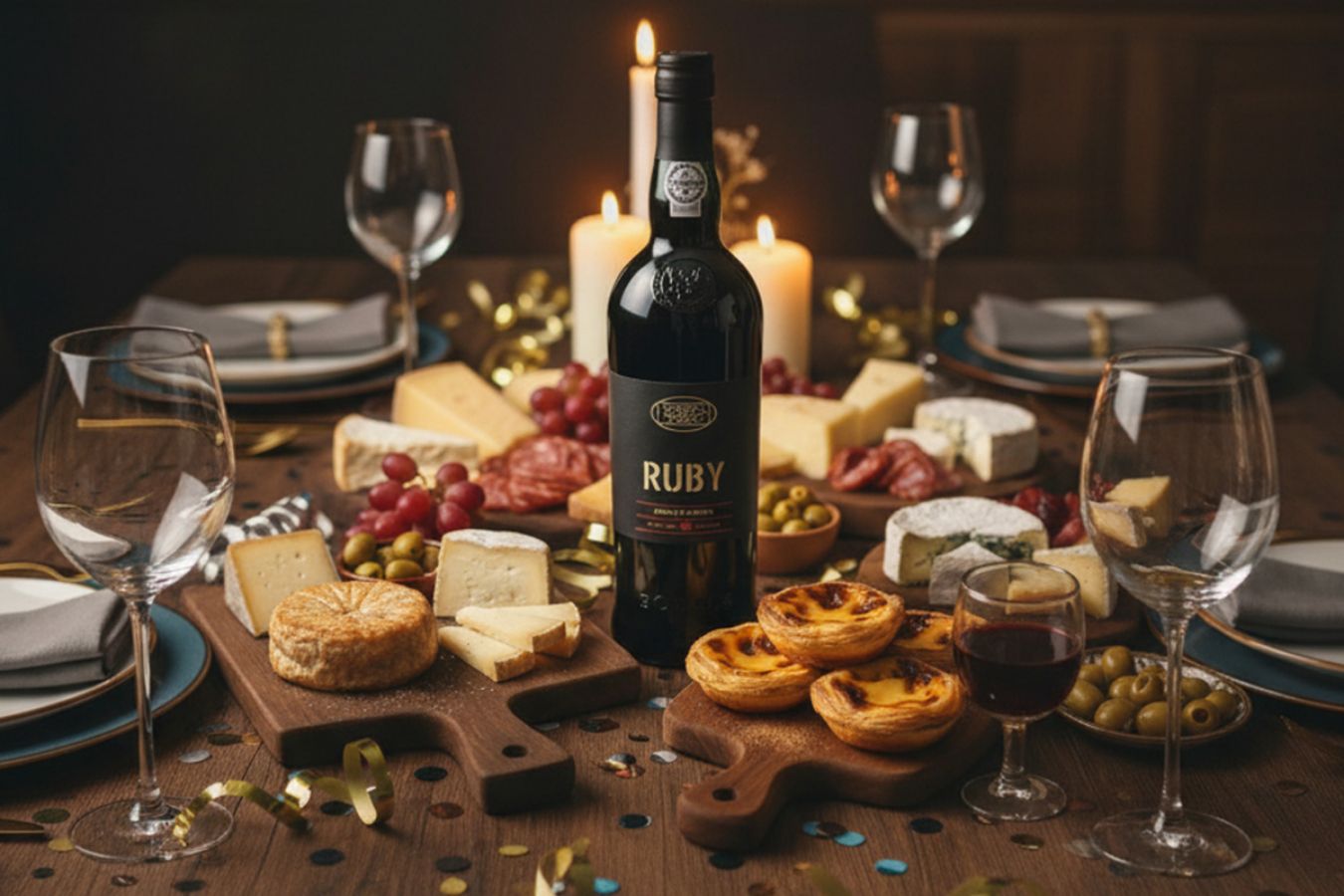
Olá! Luís here again. When the weather cools and the evenings get darker, it’s the perfect time to enjoy a glass of something warm and special. In Portugal, that something is port. Rich, smooth and flavoursome, port wine is part of our tradition, often enjoyed at the end of a meal or shared during festive gatherings.
At Divino, we’re proud to bring you a selection of traditional Portuguese ports which are perfect for a cosy night in, a thoughtful gift or for rounding off your Christmas celebrations. Whether you’re new to port or looking to explore different styles, here’s a simple guide to help you discover the world of Portuguese port wine.
Port is a fortified wine made in the Douro Valley in northern Portugal. It’s made by stopping the fermentation of the grape juice early, adding a neutral grape spirit (aguardente) to preserve the natural sweetness. The result is a stronger wine (usually around 20% ABV) that is rich in flavour and built to last.
There are many types of port but they all share one thing. They’re made with care and tradition, often aged for years before reaching your glass.
Port has been made in Portugal for centuries. The English first developed a taste for it in the 17th century, and ever since, it has been one of Portugal’s most famous exports. The region where port is made, the Douro, was the world’s first officially demarcated wine region in 1756.
Today, the same traditional methods are used by families and producers. Each bottle tells a story of heritage, patience and Portuguese identity.
If you’ve only tried one type of port before, you may be surprised to learn how varied it can be. Here are the most common styles you’ll find at Divino:
This port is aged in wooden barrels, which gives it a lighter colour and smooth, nutty flavours. It often has notes of caramel, dried fruit and spice. It’s easy to drink and a good place to start.
Try: Borges Tawny Port ›
This beautifully packaged tawny has a soft, rounded taste with hints of vanilla and dried fruits. Ideal for after-dinner sipping or pairing with cheese.
Ruby port is dark, fruity and full-bodied. It’s usually younger and aged for a shorter time in large tanks to keep its fresh flavour. If you like berry notes and a richer mouthfeel, this one is for you.
Try: Borges Ruby Port ›
Bright and expressive, with flavours of blackberry, plum and dark chocolate. A great match for chocolate desserts or simply sipped on a cold evening.
Made from white grapes, this style is lighter and often served chilled. Some versions are dry and others are sweet. In Portugal, we enjoy white port with tonic water, ice and a slice of orange as an aperitif.
Try: Pacheca White Port ›
Fresh and lightly sweet, with notes of citrus, almonds and a touch of vanilla. Serve cold or mix into a white port & tonic.
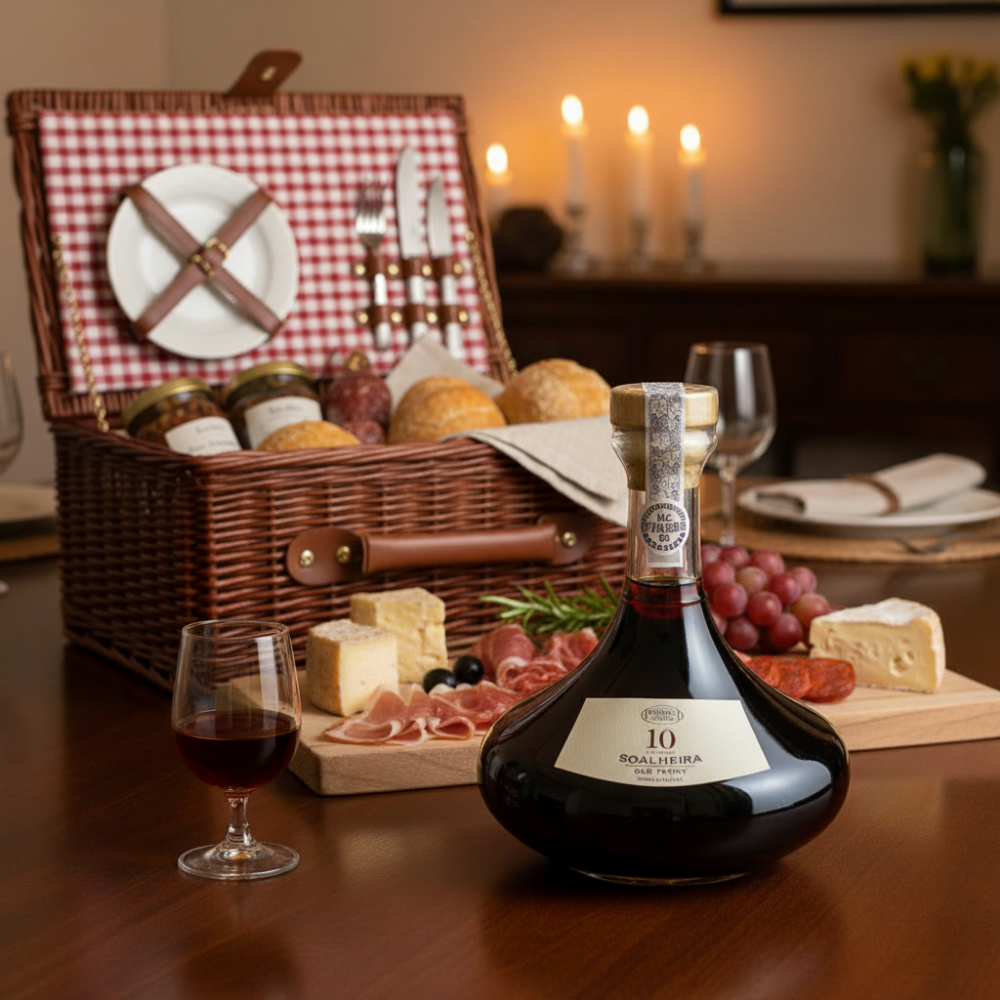
Port makes a beautiful gift. It’s thoughtful, elegant and can be enjoyed slowly through the season. Whether you’re bringing a bottle to dinner, sending a festive thank-you or building a custom hamper, port always feels like a treat.
Our Borges Tawny Port in Decanter comes ready to give in a lovely bottle that looks as good on the table as it tastes in the glass.
You can also create your own gift with:
Perfect for friends, work colleagues or family who enjoy something a little different.
Port is not just for wine experts. In Portugal, it’s for everyone. A drink to enjoy at your own pace, with or without food, around the table or by the fire.
Explore our full range of Portuguese ports at Divino.je
Saúde and Feliz Natal!
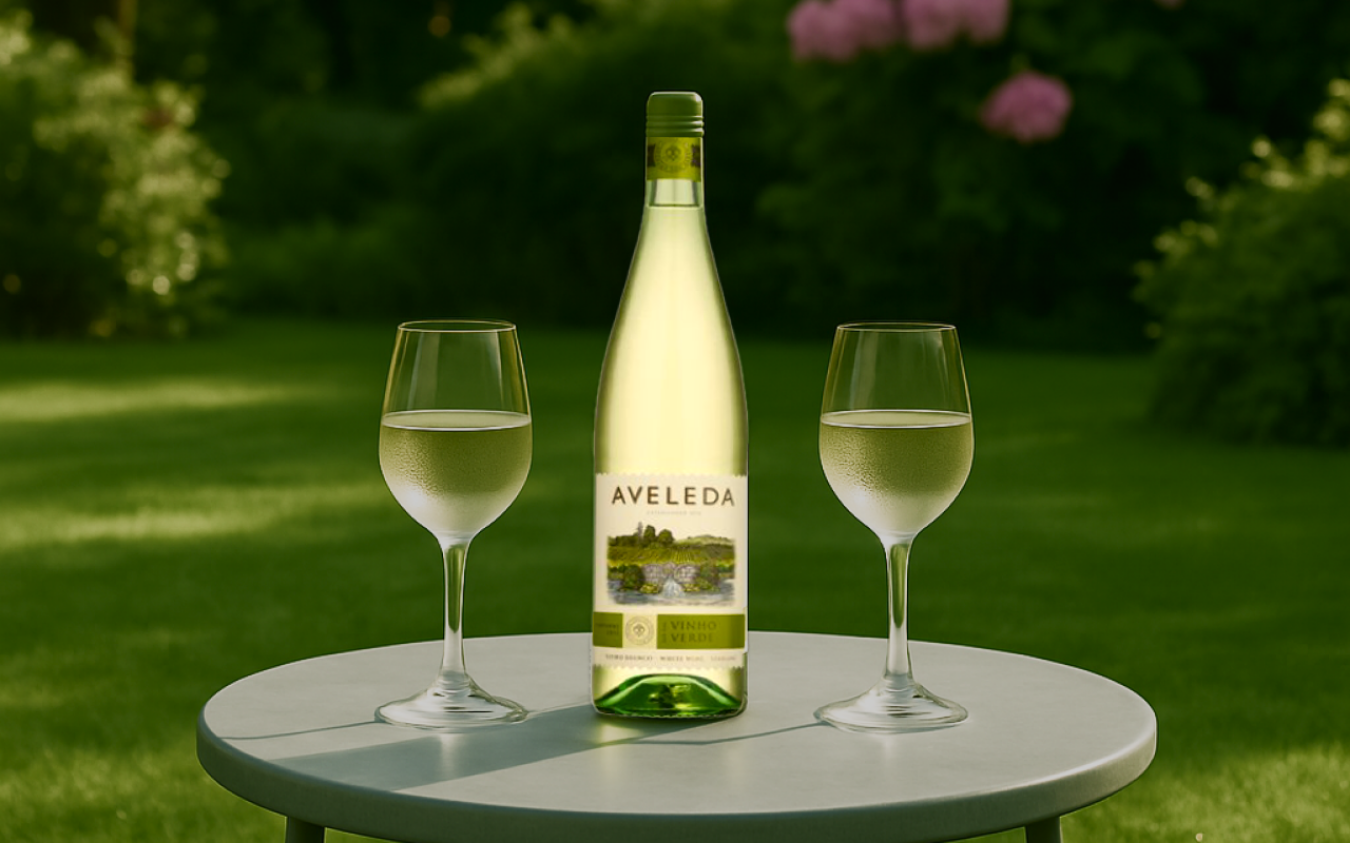
Olá! I’m Luís Lage, owner of Divino.je and as the summer sun warms our days there’s one wine that stands out as the perfect seasonal companion – Vinho Verde.
Light, fresh and full of life, this unique Portuguese wine is tailor made for long lunches, spontaneous garden picnics and sunset sipping with friends.
Often misunderstood, Vinho Verde isn’t a grape or a colour. It’s a style and a region brimming with tradition and character. Let’s explore what makes it so special and why no summer is complete without a bottle of this Portuguese classic.
Vinho Verde, which translates to “green wine,” refers not to the colour but to its youth and vitality. Produced in the verdant northwest of Portugal, this wine is meant to be enjoyed young and chilled. The region is known for its cool rainy climate which helps produce wines with natural acidity and a refreshing profile.
The wine is typically low in alcohol (usually around 9 to 11.5%), lightly effervescent and bursting with citrus, green apple and floral notes.
It’s the kind of wine that instantly makes you feel like you’re on holiday even if you’re just in the back garden.
Vinho Verde ticks every box when it comes to summer drinking
Whether you're firing up the BBQ or simply unwinding after work Vinho Verde is the easygoing bottle that always delivers.
At Divino we’ve curated a refreshing selection of Vinho Verde that highlights the very best the region has to offer. Here are four standouts to enjoy all summer long
A light slightly fizzy white with a lively citrus profile and subtle floral undertones. This is the classic Vinho Verde style perfect as an aperitif or with light summer snacks.
Produced by one of the region’s most respected names this bottle offers fresh aromas of green apple, pear and citrus with a smooth mineral finish. It’s a little more refined, perfect for dinner on the patio.
Perhaps the most famous name in Vinho Verde, Casal Garcia delivers gentle spritz, a fruity freshness and just a hint of sweetness. It’s approachable, lively and great chilled right down.
From the sub region of Monção e Melgaço this is a more structured and fuller bodied Vinho Verde. It’s still fresh, but with riper fruit and floral notes.
To get the most out of your Vinho Verde serve it well chilled – ideally between 6 and 8°C. A cooler bag and a few ice packs will keep it picnic ready all afternoon.
If you're entertaining consider including a bottle in a summer themed hamper alongside some cured meats, cheese and sweet treats. Our Summer wine case has a great selection of Vinho Verdes and Sangrias.
Just add some Jersey sunshine!
Vinho Verde is more than just a seasonal trend. It’s a way to bring a little Portuguese charm into your summertime.
Whether you’re sharing glasses at the beach or toasting with neighbours in the garden it’s a wine that invites connection, relaxation and celebration.
At Divino.je we’re proud to share this regional gem with customers who appreciate flavour, tradition and value.
Explore our Vinho Verde selection online and let your summer sipping take on a fresh new sparkle.
Saúde to the season!

At Divino, we’re proud to bring the richness of Portuguese winemaking to your doorstep. In this guide, I’ll introduce you to five key wine regions and showcase their standout wines, all of which are available at Divino.je, along with tips on how best to enjoy them.
The Douro Valley is one of the oldest wine regions in the world, and arguably the most iconic in Portugal. Known globally for its Port wines, the Douro has also become a powerhouse for robust, characterful reds.
Nestled in the mountains of central Portugal, Dão is known for producing elegant, refined wines that age well. The granite soil and cooler climate contribute to wines that are complex but never overpowering.
In Portugal’s northwest corner lies the verdant region of Vinho Verde, famous for its fresh, slightly effervescent white wines. These wines are youthful, zippy and perfect for warm weather sipping.
Lisboa, stretching along Portugal’s west coast, benefits from Atlantic breezes and a patchwork of microclimates, producing wines that are both rich and fresh. Known for its variety, the region is home to some of Portugal’s most exciting red blends.
Alentejo is a vast region in the south of Portugal with rolling landscapes and plenty of sunshine – perfect for producing rich, full-bodied wines. Alentejo wines are often smooth and approachable, making them a favourite for everyday drinking.
Portuguese wines are as diverse as the landscapes they come from. Whether you prefer bold reds, crisp whites or indulgent dessert wines, there’s something here to fall in love with. At Divino.je, we handpick wines that reflect the character and soul of each region, making it easy for you to explore Portugal from the comfort of your home.
Visit Divino.je to browse our full range. Whether you’re planning a dinner party, looking for a thoughtful gift or simply stocking up for the weekend, we’re here to help you find the perfect Portuguese bottle.
Saúde!