
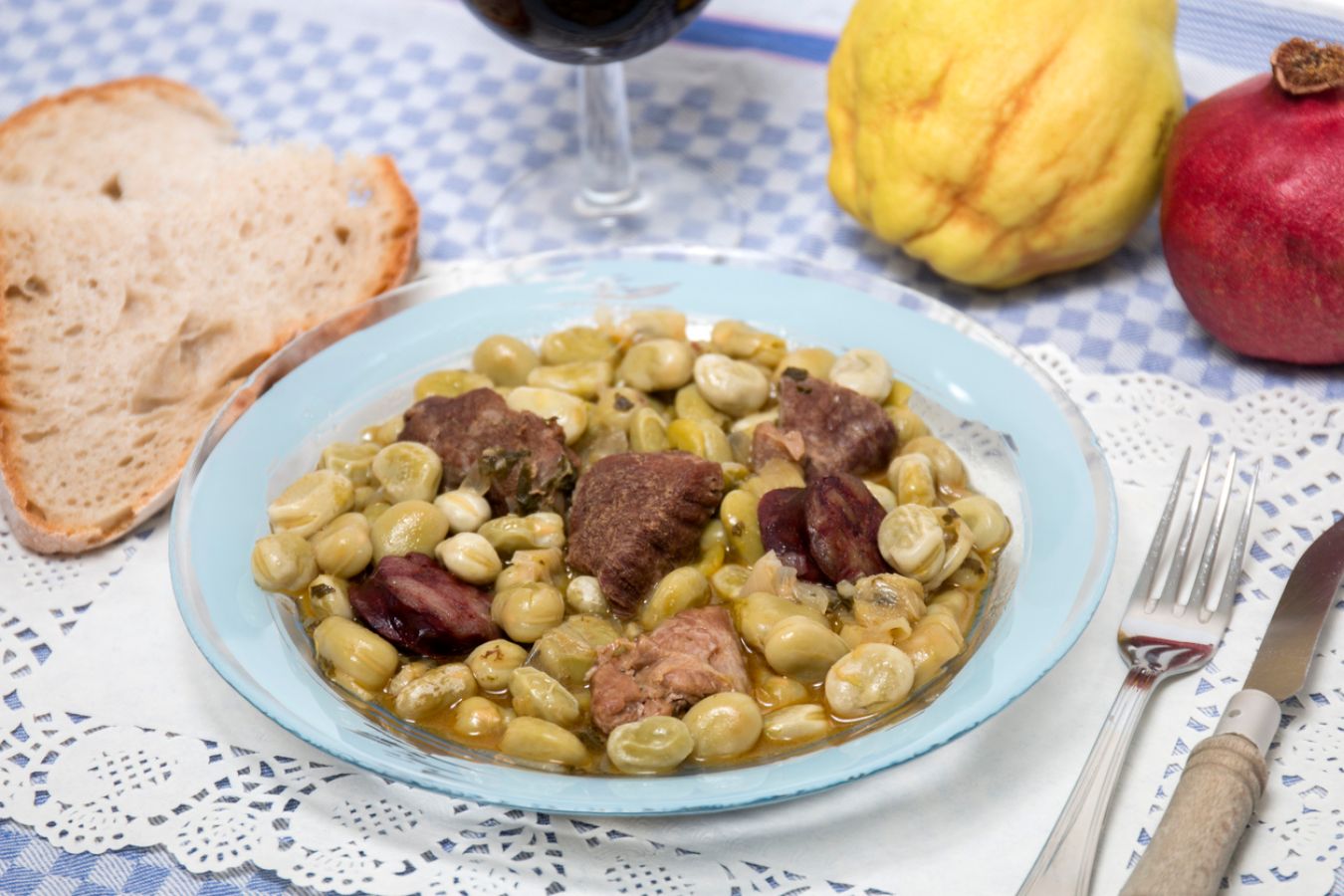
Favas à Portuguesa is a traditional dish made with broad beans, pork, Portuguese sausage, garlic, onion and herbs. It is simple, filling and full of flavour, which makes it perfect for the start of autumn.

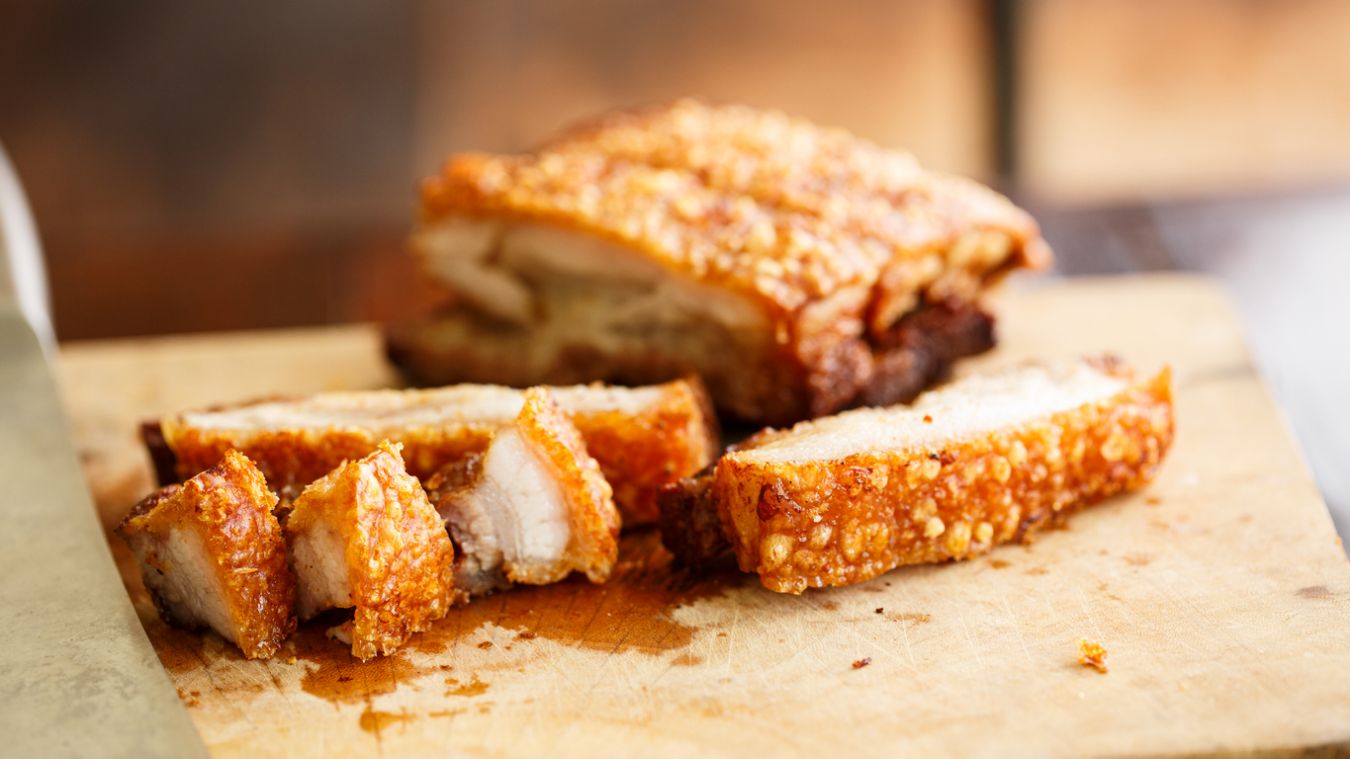
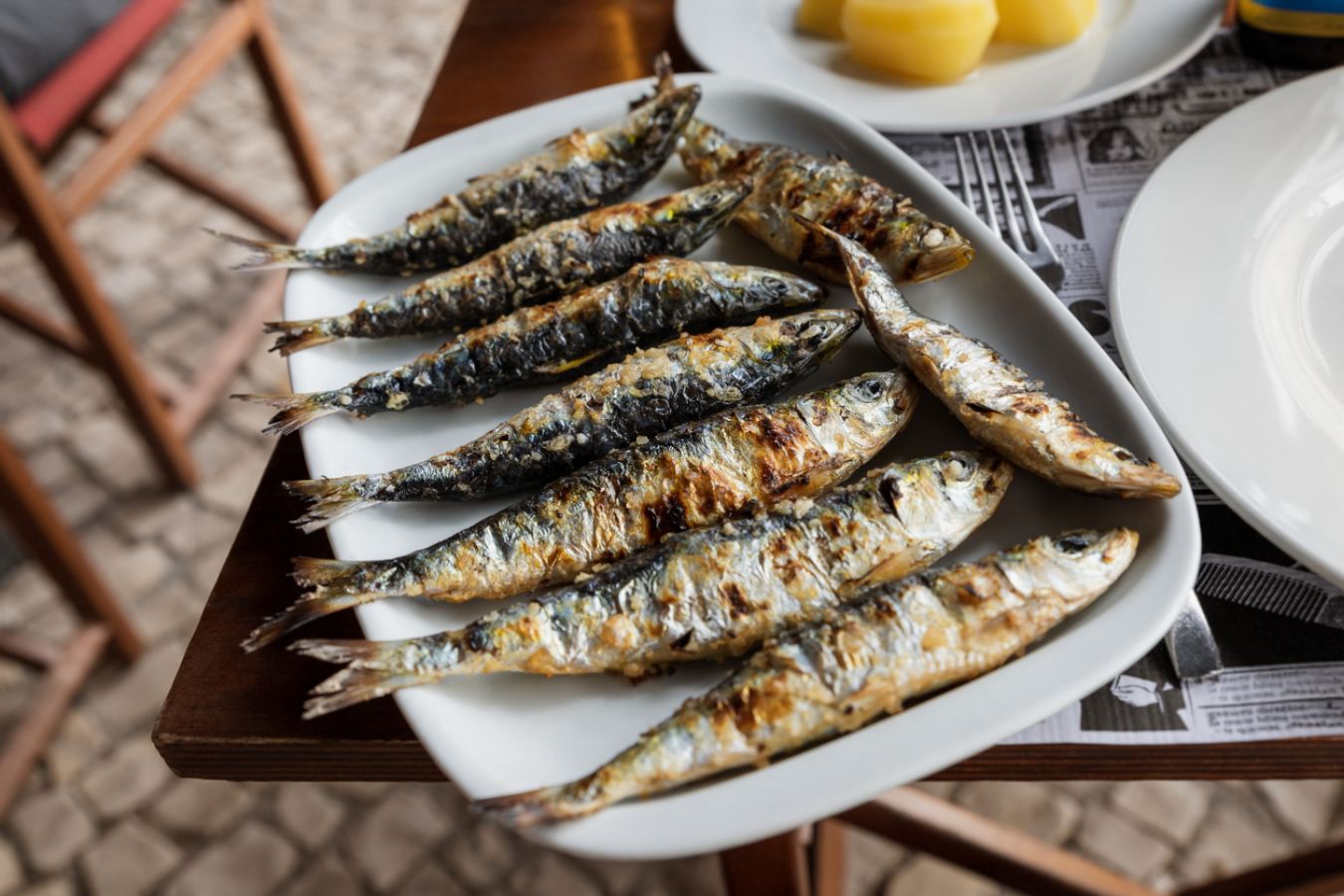
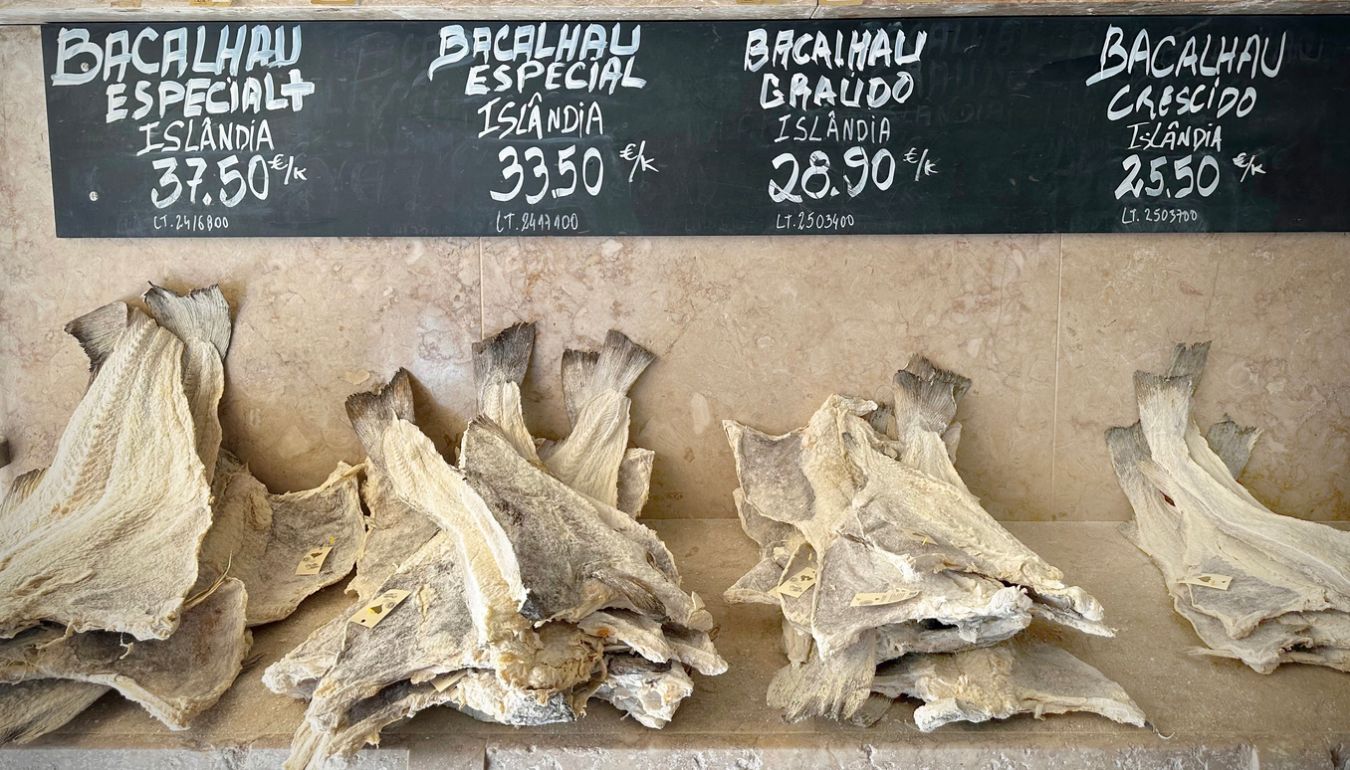
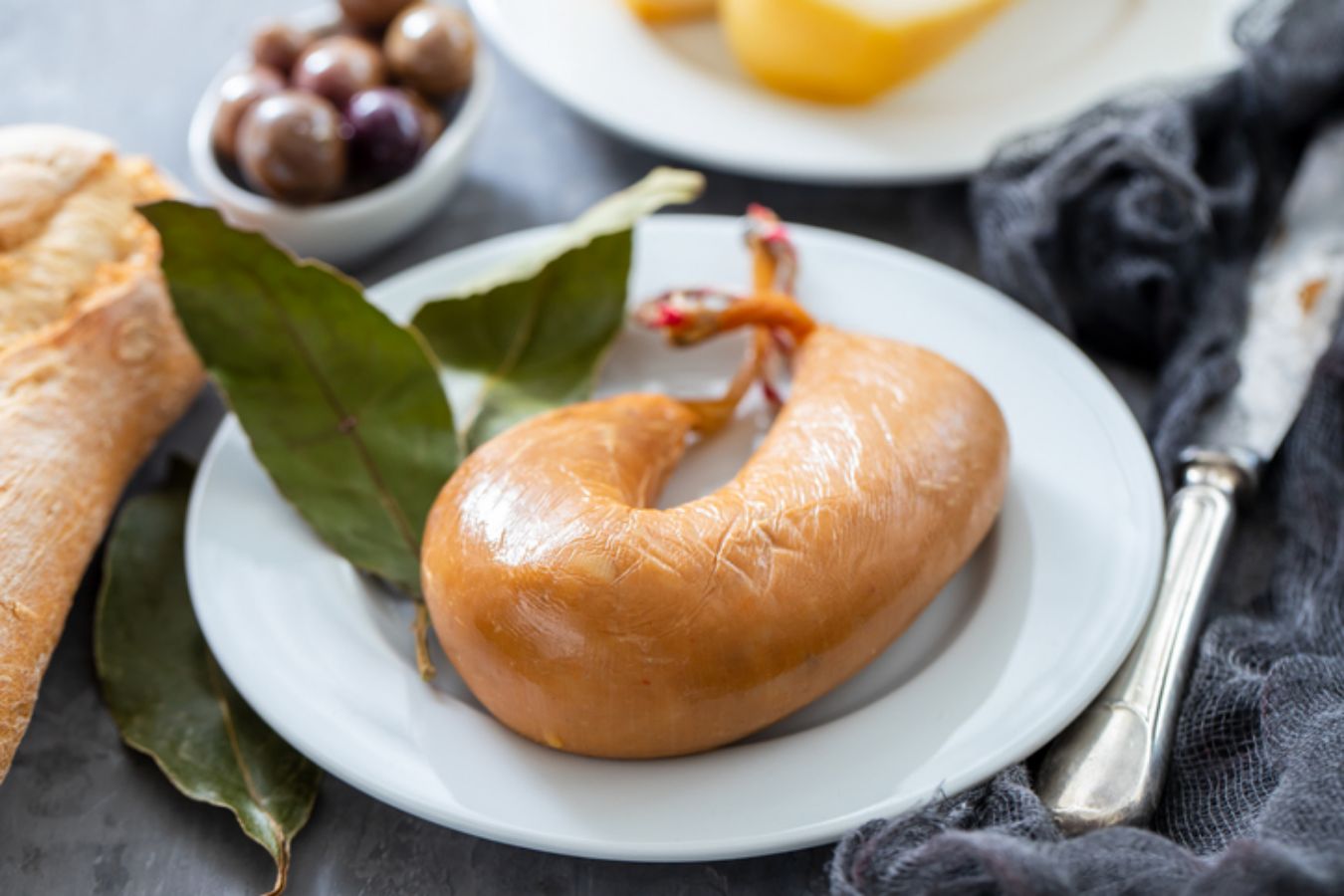


Olá! Luís here again. In Portugal, olive oil is one of the most important ingredients in our kitchens. We use it in almost every dish, from frying to finishing, because it adds rich flavour and helps bring everything together. Olive oil is a pantry essential, and with the right choices, it can improve your everyday meals.
At Divino, we offer a range of olive oils to suit different cooking needs. Whether you’re frying, marinating or preparing fresh dressings, we’ve got the right olive oil for the job. Here’s a guide to help you select the perfect olive oil for your kitchen, plus a few ideas on how to use it.
Olive oil is used in many different ways in Portuguese cooking. It’s not just for drizzling over dishes; it’s essential for frying, marinating and making dressings. Understanding which olive oil is best for each purpose can help you make the most of this versatile ingredient.
When frying, you need an olive oil that can withstand high heat without breaking down. The best olive oils for frying are those with a higher smoke point, which is the temperature at which the oil starts to burn and lose its flavour.
Our go to: Gallo Subtil Olive Oil 750ml / 3lt
This olive oil is a great all-purpose option for frying. It’s mild in flavour and can handle higher temperatures, making it perfect for everything from sautéing vegetables to frying potatoes.
How to use:
Use it to sauté onions, fry chicken, or cook up a quick vegetable stir-fry. It’s also ideal for making crispy, golden chips.
When marinating meats, vegetables, or seafood, you need an olive oil that enhances the flavours without overpowering them. A good marinating olive oil should have a smooth, balanced taste that complements the other ingredients, like garlic, herbs, or citrus.
Our go to: Qampo Olive Oil Subtil
This olive oil has a delicate, well-rounded flavour, making it perfect for marinating. It enhances the taste of meats, poultry, and grilled vegetables without overwhelming the other ingredients.
How to use:
Mix with herbs, garlic, vinegar, or lemon for a simple yet flavourful marinade. It’s ideal for tenderising meats before grilling or roasting, and it also works wonderfully for marinating vegetables.
For a finishing touch, drizzle over grilled meats or roasted vegetables to add extra richness and depth.
For fresh dressings, you need an olive oil with a light, fruity flavour that enhances your ingredients without dominating them. A good olive oil should elevate the freshness of your vegetables and complement the other flavours in the dressing.
Our go to: Olive Oil Oliveira da Serra Clássico
This olive oil has a delicate, fruity taste that’s perfect for dressings. It’s mild enough to mix with vinegar or lemon, adding depth without being overpowering.
How to use:
For a simple dressing, mix olive oil with balsamic vinegar or lemon juice. Add salt and pepper, then shake or whisk together.
It’s ideal for drizzling over green salads, grain salads, or roasted vegetables, bringing out the natural flavours without overwhelming them.
At Divino, we offer a range of olive oils to suit different needs. Here are some key products you should consider keeping in your kitchen for everyday cooking:
– Ideal for frying and general cooking. It has a mild flavour and can handle higher temperatures.
– A smooth, balanced olive oil perfect for marinating meats, seafood and vegetables.
Olive Oil Oliveira da Serra Clássico
– Great for dressings, drizzling over dishes, and enhancing the flavours of fresh salads.
Portuguese olive oils are some of the best in the world. The country’s warm, sunny climate, along with its rich soil, helps create olive oils with fresh, vibrant flavours.
From the Alentejo region, known for its full-bodied oils, to the more delicate oils from the Douro Valley, there’s a wide variety of flavours to choose from.
Using Portuguese olive oil not only enhances your cooking but also connects you to a centuries-old tradition of olive farming in Portugal.
Whether you're cooking a hearty stew or preparing a fresh salad, a few drops of quality olive oil can make all the difference.
Besides being delicious, olive oil has many health benefits. It’s rich in antioxidants and healthy fats, which are good for your heart and help lower inflammation.
Studies show that a diet high in olive oil can help prevent chronic diseases, making it a great addition to your daily meals.
We know that quality olive oil makes all the difference in your cooking. That’s why we’ve carefully selected the best Portuguese olive oils for our customers. Whether you’re frying, marinating or making a dressing, our olive oils are here to help you get the most out of every meal.
Browse our full range of olive oils at Divino.je
Saúde and happy cooking!
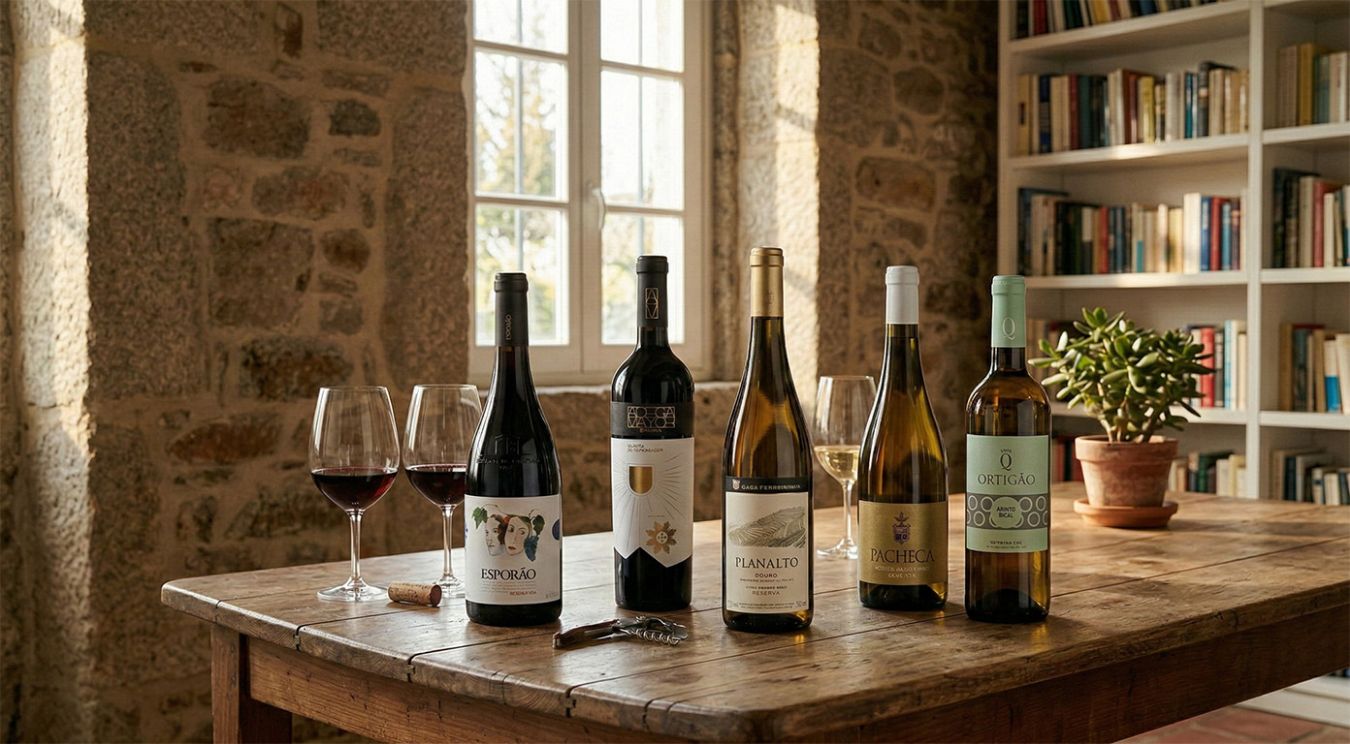
Olá! Luís here again. If you have ever been to a wine tasting or read the back of a bottle, you may have seen words like crisp, full bodied or tannins. Sometimes these words can feel confusing. Wine should be enjoyable, not intimidating.
In Portugal, wine is part of everyday life. We drink it with meals, share it with friends and talk about it in simple ways. Understanding a few key tasting terms can help you feel more confident when choosing a bottle. It also makes discovering new wines more interesting.
Here is a short glossary of common wine tasting words, with examples from our range to help you understand them.
When a wine is described as crisp, it means it feels fresh and lively in the mouth. Crisp wines usually have good acidity, which makes them refreshing and easy to drink. They are often a good choice for starters, seafood or as a welcome drink.
Example:
This white wine is a clear example of crisp. It’s bright, citrusy and makes you want another sip. It works very well with grilled fish, prawns or light salads.
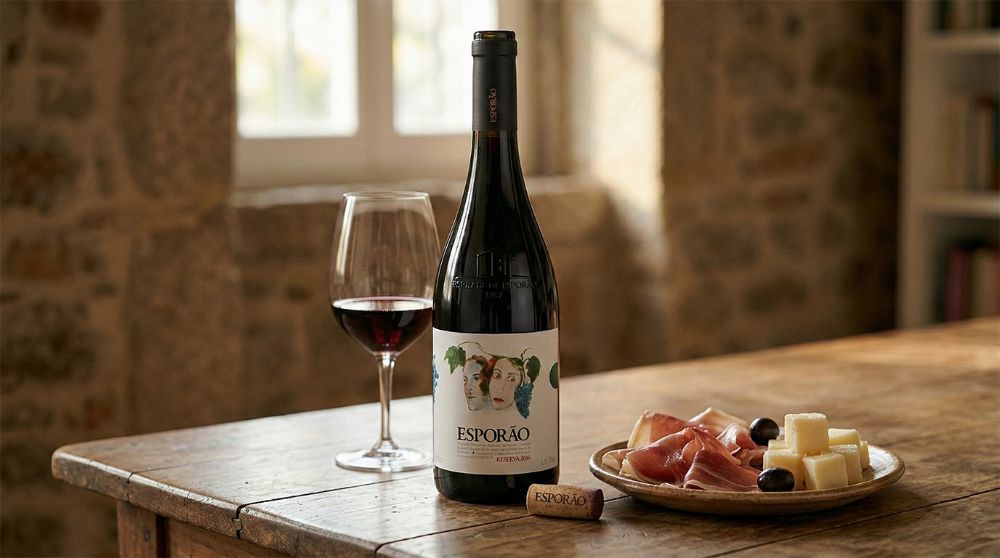
Body refers to how heavy or rich a wine feels in your mouth. A full bodied wine feels round and strong. It often pairs well with red meat or rich dishes.
Example:
This is a weighty red wine. It’s rich and matches well with beef or slow cooked dishes.
A light bodied wine feels softer and less heavy. It is easier to drink and often lower in alcohol. These wines are good for lunch or casual meals.
Example:
Light, fresh and easy to enjoy. It does not feel heavy and is a good choice for warm days or simple meals.
Trying a Vinho Verde alongside a fuller white wine in a discovery pack helps you understand body clearly.
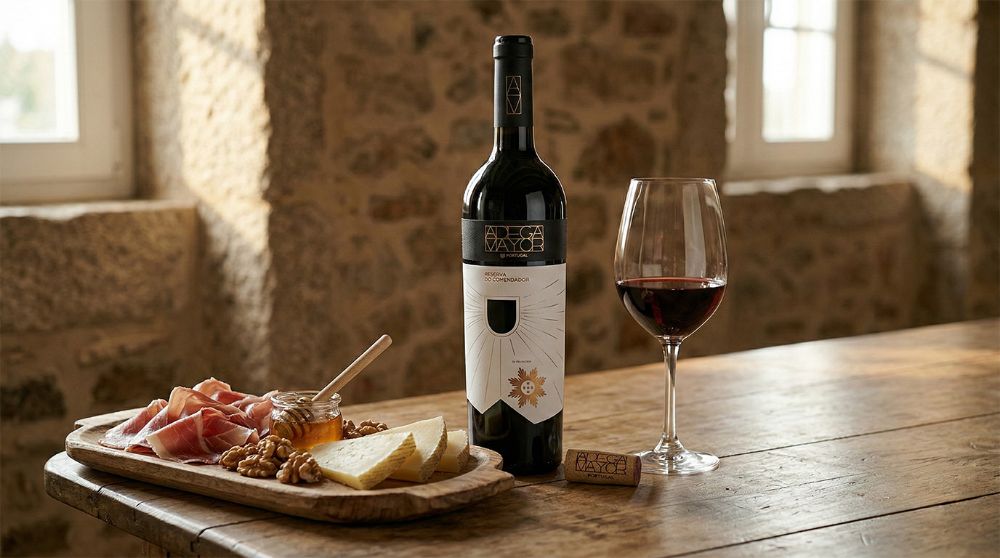
Tannins are found mostly in red wines. They create a dry feeling on your gums, similar to strong tea.
Example:
This wine has noticeable tannins, which makes it good with rich meat dishes.
If you are new to red wine, start with softer tannin, such as a Caiado or Dao Cabriz wines before moving to stronger ones.
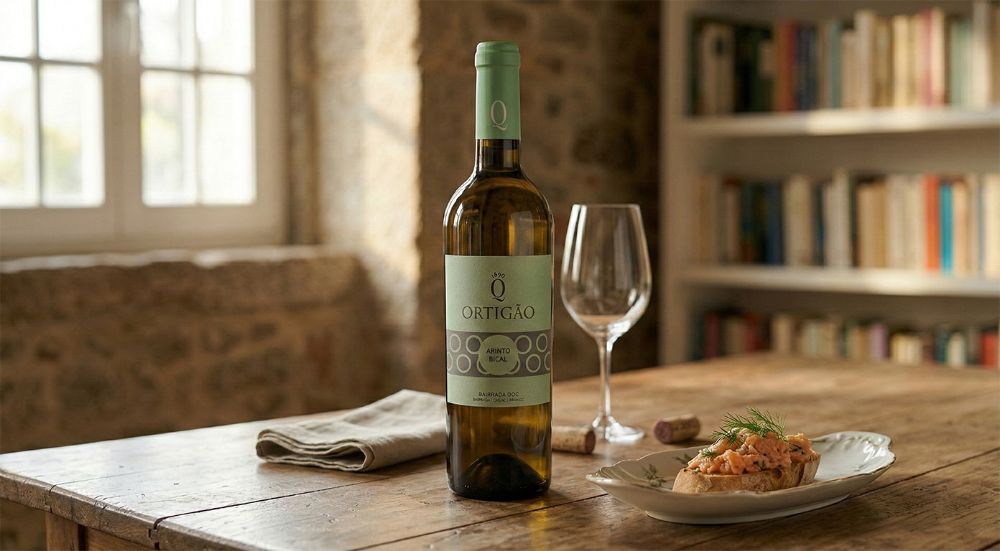
When someone says a wine is fruity, it does not mean it is sweet. It means you can taste flavours that remind you of fruit, such as apple, peach or citrus. Most wines have a fruit as a key flavour and smell, especially when they are young and fresh.
Example:
This white wine has a fruity flavour. It is fresh and easy to drink, making it a good choice for relaxed meals or sharing with friends.
Trying a fruity white like this alongside a more mineral or structured wine in a mixed case helps you notice how fruit flavours can vary between regions and grape varieties.
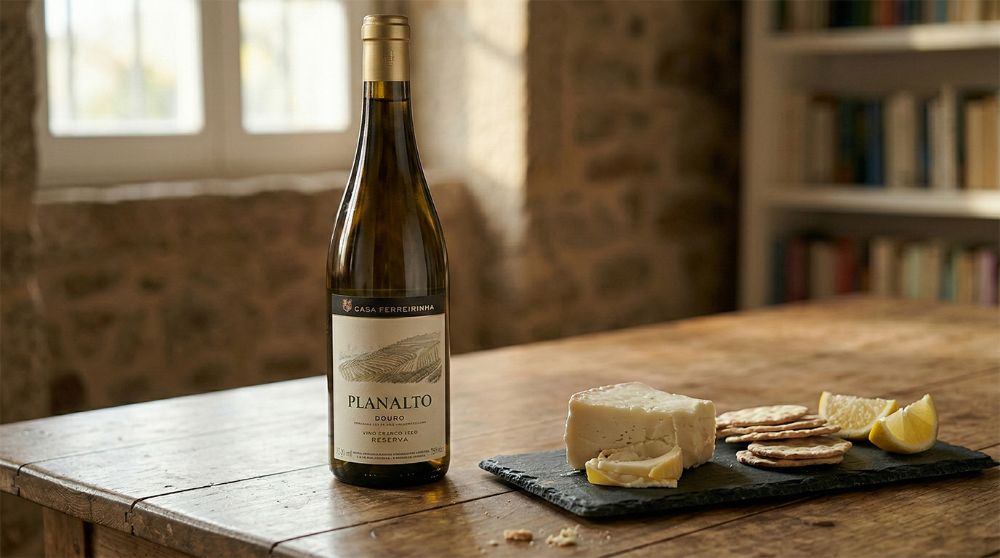
When a wine is described as dry, it means it is not sweet. Most table wines are dry, even if they have fruity flavours. Dry wines often feel clean and refreshing, especially when served chilled.
Example:
This dry white offers bright acidity and soft fruit flavours. It does not taste sweet, which makes it very good with food. It pairs well with fish, grilled vegetables or light pasta dishes.
Understanding what dry means can help you choose wines more confidently, especially when planning meals or building a mixed wine case.
The finish describes how long the flavour stays in your mouth after you swallow the wine. A longer finish often suggests higher quality, but it also depends on personal taste.
Example:
This red wine has a noticeable finish. After you swallow, the flavour remains for several seconds, with tasting notes of dark fruit and gentle spice. It works well with red meat or richer dishes where you want the wine to stay present.
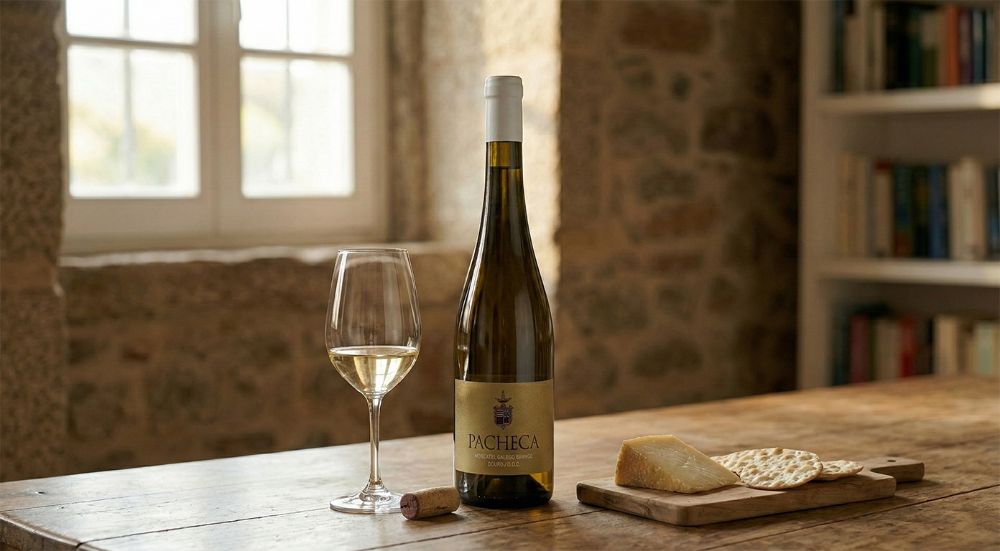
When a wine is described as balanced, it means that all the elements work well together. The fruit, acidity and alcohol feel in harmony. Nothing feels too strong or out of place.
Example:
Pacheca MGalego White ›
This white wine is a good example of balance. It has fresh acidity, hints of gentle fruit and a smooth finish. The flavours sit comfortably together, which makes it easy to enjoy with many different dishes.
Balanced wines are often the easiest to serve at the table, especially when you are cooking for different tastes.
Reading about wine helps, but tasting is the best teacher. A mixed wine bundle allows you to compare:
At Divino, we offer mixed wine cases that make it easy to explore without choosing just one style. These are also great for hosting a small tasting evening at home.
You can invite friends, open a few bottles and talk about what you taste. Keep it simple. Ask questions like:
There are no wrong answers. Wine tasting is personal.
You can find some of the wines mentioned above in our premium wine tasting bundles. They are a great way to compare styles side by side and begin your Portuguese wine journey with confidence.
6 x Premium Portuguese Red Wines ›
6 x Premium Portuguese White Wines ›
6 x Premium Portuguese Wines ›
Learning a few wine terms does not make you an expert overnight. But it helps you feel more comfortable when choosing a bottle for dinner or as a gift.
Portuguese wines are made to be enjoyed, not over analysed. By understanding words like crisp, full bodied or balanced, you can discover what you like and try new styles with confidence.
At Divino, we believe wine discovery should be welcoming. Whether you start with a mixed bundle or select a few individual bottles, we are here to help you explore.
Browse our wine selection and discovery bundles at www.divino.je
Saúde!
Olá! I’m Luís here again. Many people know us for our wines, cured meats and hampers, but some of the best products in our range are actually the simple and everyday staples.
These are the things we use regularly in Portuguese kitchens, not just for big occasions or entertaining guests, but in day-to-day cooking.
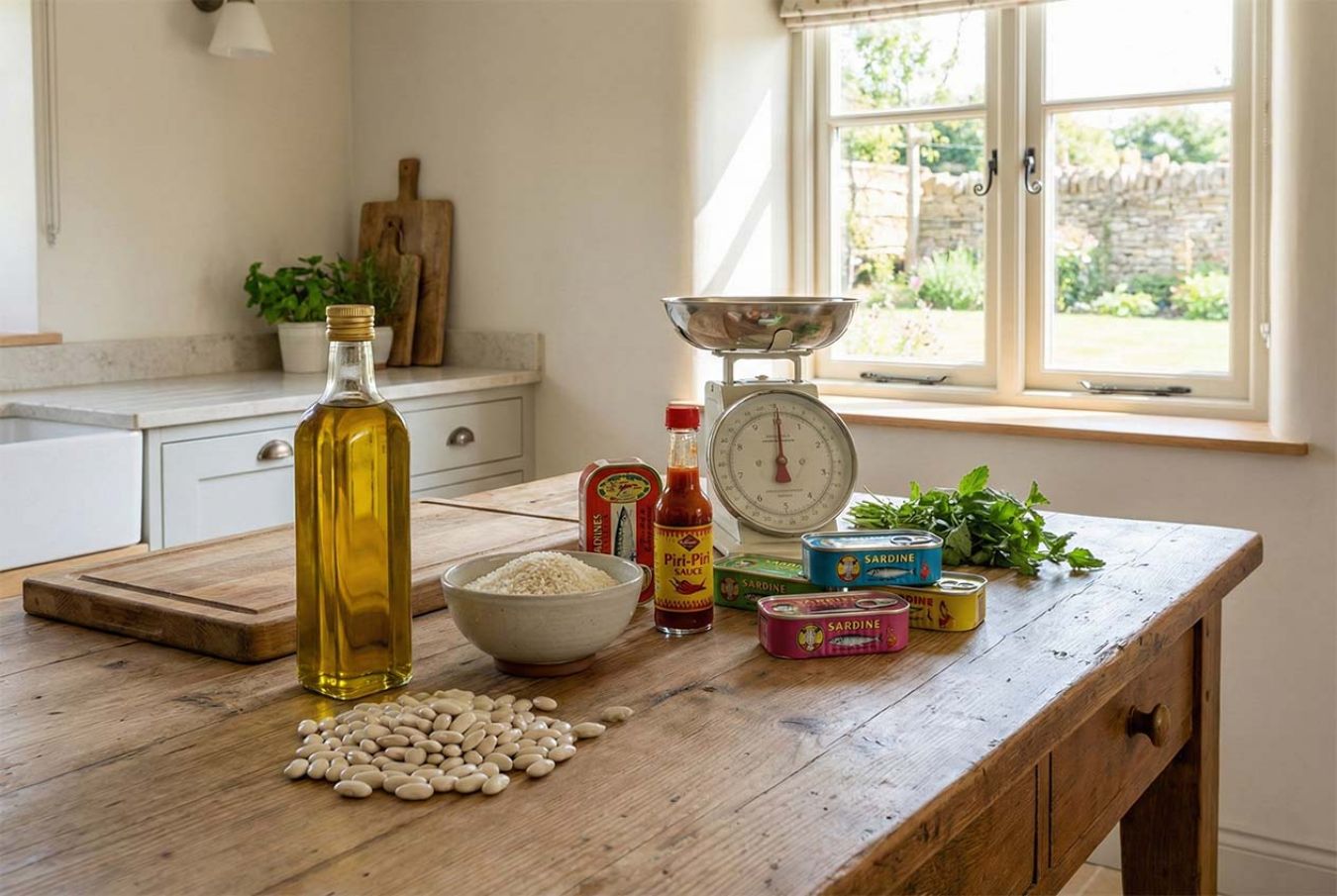
Olive oil, rice, beans and sardines are at the heart of many of our meals. They’re affordable, useful and full of flavour. Add a bottle of piri-piri sauce or a tin of seasoned fish and suddenly a basic meal becomes something with character.
Here are a few Portuguese pantry items we recommend keeping in your cupboard with some simple ways to use them.
In Portugal, olive oil is used every day. We cook with it, dress salads with it and drizzle it over soups, vegetables or even toast. A good olive oil doesn’t need to be expensive, but it should be smooth, clean and made with care.
Try: Gallo Portuguese Olive Oil
Everyday cooking tip: Warm a little olive oil with chopped garlic and pour it over cooked greens or boiled potatoes for a simple, flavourful side.
Gallo Olive oil available in 750ml or 3 Litres
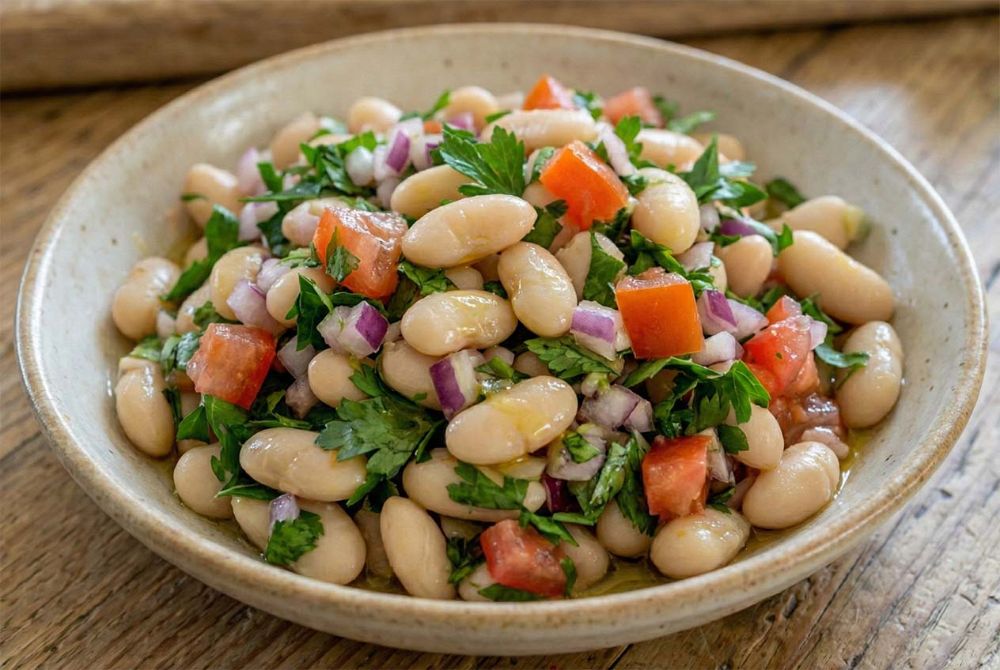
Beans are used in many Portuguese recipes. They’re filling, inexpensive and versatile. From feijoada (bean stew) to chilled summer salads, a tin of beans can be the base of a full meal.
Try: Compal White Beans and Red Kidney Beans
White Beans available in 845g can or 6 cans x 410g
Red Kidney Beans available in 845g can or 6 cans x 410g
Everyday cooking tip: Mix white beans with chopped tomato, red onion, parsley and a little olive oil for an easy salad or side dish.
Portuguese meals often include rice. Whether it’s with grilled fish, tomato sauce or baked in the oven with meat, it’s one of the most used ingredients in our kitchens.
Try: Carolino Rice
Everyday cooking tip: For a quick weekday meal, cook carolino rice with garlic, onion and a splash of white wine. Add in beans or leftover chicken for a simple one-pot dish.
Piri-piri sauce is made from small, spicy chilli peppers. It’s often used in marinades or served on the side for those who like a little extra heat.
Everyday cooking tip: Mix a spoon of piri-piri sauce into mayonnaise or yoghurt for a quick dipping sauce for vegetables or fried fish.
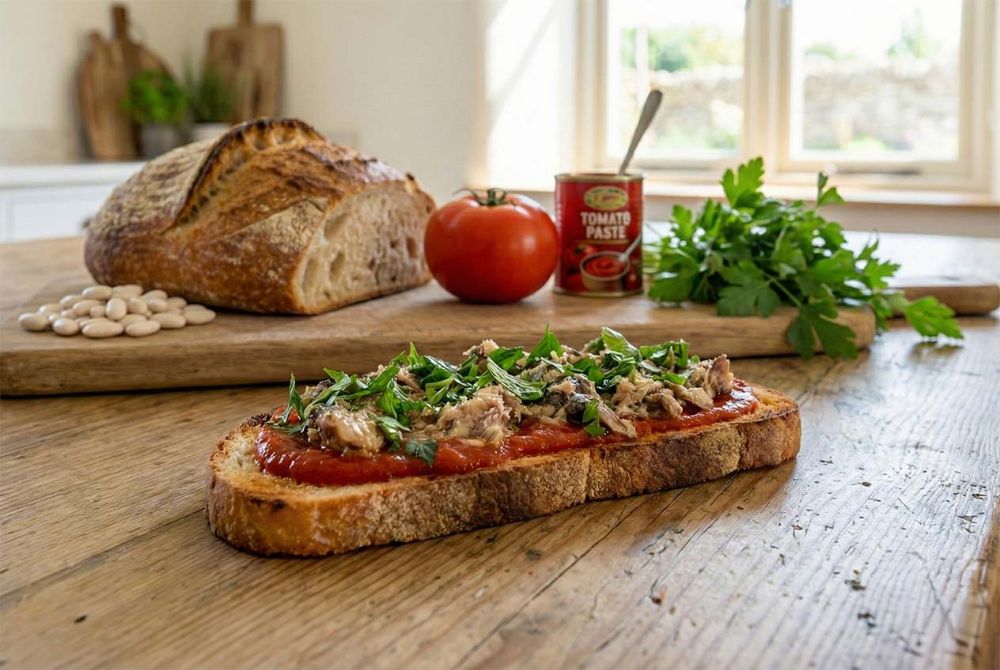
Tinned fish is a staple in Portuguese homes. It’s affordable, lasts well in the cupboard and packs a lot of flavour. Sardines are one of the most popular choices.
Try: Bom Petisco Sardines in Olive oil
Everyday cooking tip: Toast a slice of bread, spread with a little tomato purée, top with sardines and chopped herbs. Quick and satisfying.
Portuguese cooking isn’t complicated. It’s about good ingredients used well. When your pantry is stocked with quality staples, it’s easier to cook meals that feel satisfying and special.
At Divino, we choose products that we use at home — not just for gifts, but for everyday life. If you want to bring more flavour to your meals, start with the basics. Olive oil, rice, beans and a tin of sardines go a long way.
Browse all pantry essentials at Divino.je
Saúde!

Olá! Luis here for the final time this year. As we come to the end of 2025, many of us start to plan a night of celebration. Whether you're staying in with family, gathering with friends or hosting something bigger, New Year’s Eve is a time to enjoy good wine, small plates of food and a moment to raise a glass together.
In Portugal, we like to keep New Year simple but joyful. We welcome the year ahead with sparkling wine, cured meats, cheese and a few olives on the table. It’s not about cooking a big meal, it’s about gathering people, opening a good bottle and sharing a few things that taste great together.
At Divino, we have everything you need for a Portuguese-style New Year’s Eve. From sparkling wines to cured meats and soft cheeses, here’s how to plan your NYE.
In Portugal, we toast the New Year with sparkling wine. One of the most famous regions for this is Bairrada, where wines are fresh, dry and made in the traditional method. These wines are great with food, but also perfect for that midnight toast.
The go-to: Alianca Baga Reserva Brut
Shop Baga Reserva Brut ›

Something a bit different: Alianca Sparkling Red Wine
Shop Alianca Red Wine Sparkling ›
Serving tip: Chill both wines well before serving. The red sparkling can be poured into wide glasses for extra aroma and works nicely as a conversation starter.
Portuguese-style celebrations are about variety. You don’t need to make a full meal, just build a board or small table of things that work well together. Here’s how to do it:
Cured meats bring salt, smoke and spice to the table. Slice and serve at room temperature.
Primor Salpicão de Porco Preto (Sliced)
Quintinha Serrano Ham Sliced
Porminho Chouriço Slices

You don’t need too many cheeses. Just 2 or 3 with different textures.
Shop all cheese ›
Cheese Board Tip: Take cheese out of the fridge 30 minutes before serving. Add some grapes or fig jam if you like something sweet.
A few jars of olives and nibbles complete the spread.
Maçarico Green Olives with Garlic & Herbs
Other extras: roasted almonds, salted crisps, thinly sliced bread, fig jam or a pot of honey.
After the toast, many people like something sweet. You can keep it simple.
New Year’s Eve doesn’t have to be complicated. A few good wines, a small table of food and people you enjoy. Add a few candles, some music and glasses ready for the countdown.
At Divino, we’re here to help you celebrate with ease. Whether you’re planning something big or keeping it small, our wines, cured meats and cheeses bring the flavour of Portugal to your home.
Browse our full range at Divino.je
Feliz Ano Novo and Saúde!